
Choosing between a vinyl liner pool and a fibreglass pool comes down to how each is built, how long it lasts and how much work it asks of you afterwards. Both have loyal owners and clear trade offs. This guide walks through the practical differences so you can weigh them against your own budget, timeline and maintenance appetite.
Vinyl Liner Pools
A flexible, budget-friendly build
A vinyl liner pool is built from a steel, aluminium or polymer wall frame, with a custom-cut vinyl sheet fitted inside to hold the water. The liner sits against a sand or vermiculite base, giving the pool its shape and watertight seal.
Because the frame and liner are separate components, vinyl pools can be built in almost any shape or size. The liner itself typically needs replacing every seven to fifteen years, depending on water chemistry, sun exposure and general wear.
Fibreglass Swimming Pools
A single moulded shell
A fibreglass pool is manufactured off-site as one composite shell, then transported and lowered into an excavated space in a single piece. The shell is built from layers of fibreglass and resin, sometimes reinforced with additional composite material for added strength.
Because the shell arrives pre-formed, there is no liner to fit and no separate waterproofing layer to install. The surface is smooth and non-porous from the outset, which shapes much of the day-to-day maintenance difference covered below.
Comparing the Two Pool Types
Installation Time
Vinyl liner pools generally take six to twelve weeks to complete, covering excavation, frame assembly, liner fitting and backfilling.
Fibreglass pools are typically quicker, since the shell arrives finished and mainly needs excavation (for inground pools), placement and connection to plumbing and equipment.

Winner: Fibreglass
Durability and Structural Lifespan
A vinyl liner will need replacing multiple times over the life of the pool, with each replacement adding cost and downtime. A fibreglass shell has no liner to degrade, and its composite structure is designed to hold its shape and finish for decades with minimal structural wear.
Winner: Fibreglass
Maintenance and Water Chemistry
Vinyl liners can be prone to punctures, fading and algae taking hold in seams or folds, which often calls for closer chemical monitoring. Fibreglass’s non-porous surface resists algae growth and holds chemical balance more steadily, meaning less frequent testing and dosing.
Winner: Fibreglass
Customisation
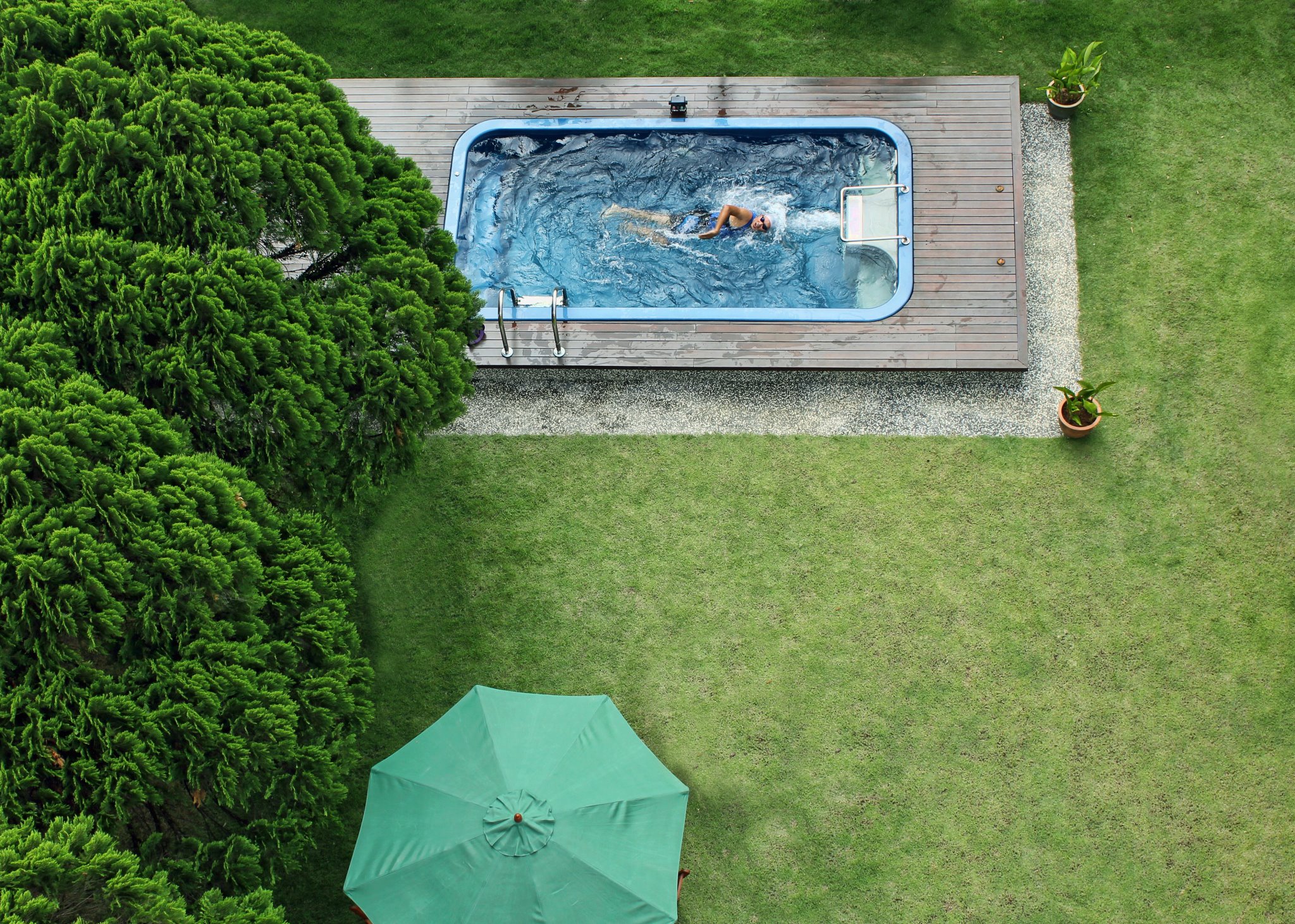
Vinyl liner pools can be shaped almost freely, since the frame and liner are built to whatever size or design a homeowner has in mind, including irregular or freeform layouts. Fibreglass pools are moulded from set shell designs, so shapes and sizes are limited to what’s available in a manufacturer’s range.
Winner: Vinyl liner
Surface Texture
Vinyl liners have a smooth, printed surface, though the material can soften, wrinkle or feel slightly loose against the frame as it ages. Fibreglass shells hold a consistent gel-coat finish from day one, smooth and firm underfoot for the life of the pool.
Winner: Fibreglass
Upfront and Long-Term Cost
In Malaysia, vinyl liner pools typically start from around RM70,000 and can go up to RM130,000, depending on shape and features. Fibreglass pools tend to carry a similar or somewhat higher starting price, but that gap narrows over time. Vinyl liners generally need replacing every seven to fifteen years, and each replacement adds a further cost on top of the initial build, whereas a fibreglass shell has no equivalent recurring expense.
Winner: Vinyl liner (upfront), Fibreglass (long-term)
Overall Verdict
Weighing the six points above, fibreglass comes out ahead on four counts (installation time, durability, maintenance and surface finish), with vinyl liner holding the edge on shape flexibility and lower upfront cost. For most homeowners planning to stay in a property for several years, fibreglass is the stronger long-term choice, trading a higher initial spend for a structure that asks far less of you afterwards.
Which Pool Type Suits Your Needs?
The right choice still depends on your own priorities and timeline.
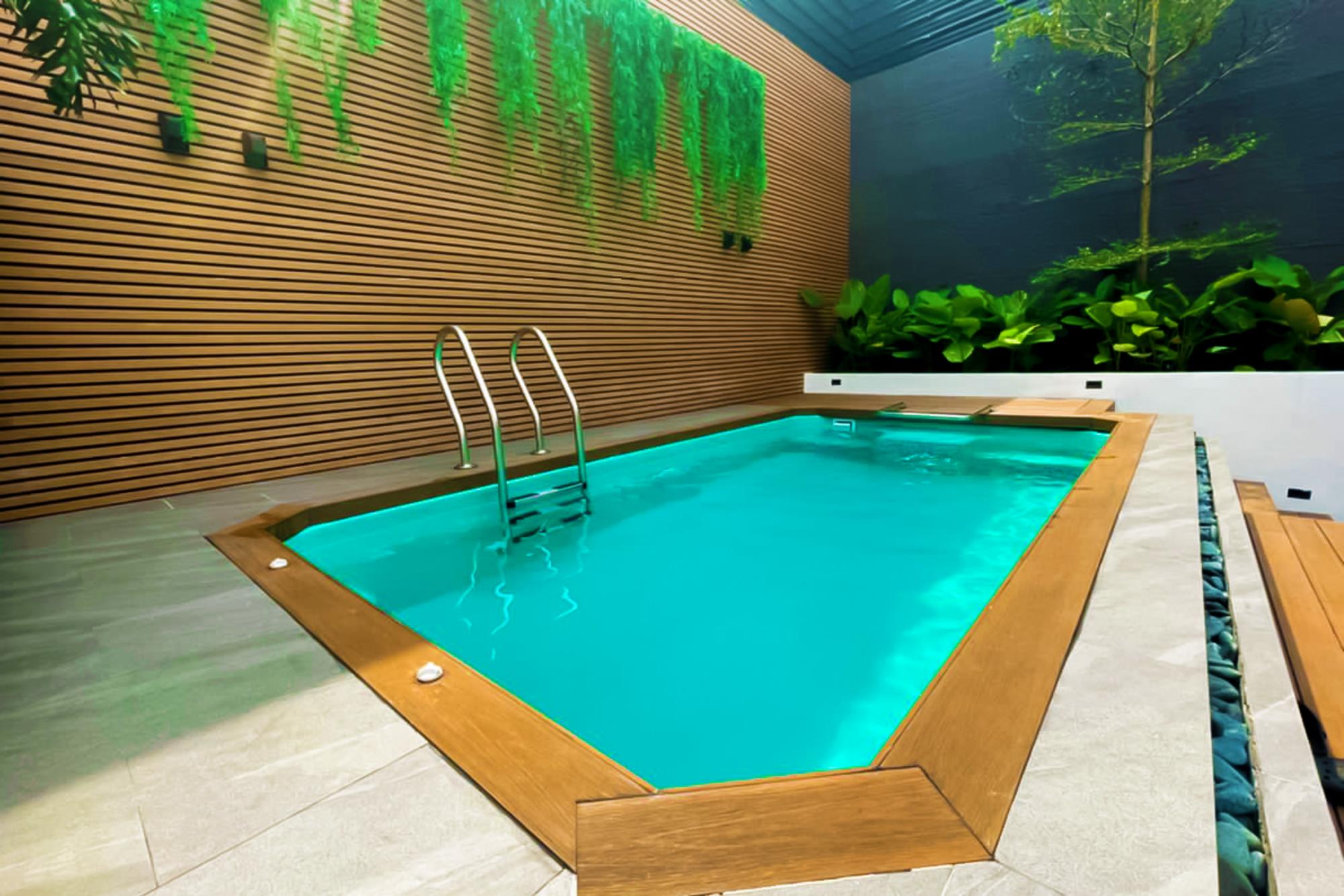
If you’re working with a tighter budget, want a specific freeform shape, or don’t mind scheduling liner replacements every decade or so, a vinyl liner pool remains a practical option.
If you’d rather pay more upfront in exchange for less time spent on maintenance and a structure built to last, fibreglass tends to be the better long-term fit, particularly for households prioritising water quality and a lower-maintenance routine.
Why Fibreglass Is Gaining Ground
Fibreglass pools have grown in popularity largely because they remove several of the recurring costs and chores that come with liner-based systems. There’s no liner to replace, no seams for algae to settle into, and a structure that holds its shape and finish with far less intervention over time.
This is where SmartPools® builds on the fibreglass advantage further. Our shells are constructed using AMGC, Advanced Marine-Grade Composite, the same class of material used in yachts and aircraft, giving the structure added resilience without adding weight or complexity to the installation.
On water quality, SmartPools® pairs the fibreglass shell with Nature-Pro®, a chlorine-free purification system that keeps the water clean without the chemical residue that liner pools often depend on. And when it comes to timing, most SmartPool owners are swimming within 30 days of breaking ground, a pace that’s hard to match with traditional construction methods.
Between the durability of the shell, the ease of maintaining the water, and how quickly the whole process comes together, it’s easy to see why fibreglass, and SmartPools® in particular, has become the pool of choice for so many Malaysian homeowners.
Ready to Compare Your Options?
See which pool fits your home
If you’re weighing up vinyl liner against fibreglass, we’re happy to walk through the details with you and put together a quote tailored to your space and budget.